

Discover the Structural Problems That Could be Compromising Your Walls
How often should you replaster walls? While high-quality plaster typically offers a 20-to-30-year lifespan, there are environmental factors that can shorten that. To be absolutely sure of your home’s structural integrity, you need look beyond the surface. Use this guide to identify exactly when your walls move from needing a cosmetic refresh to requiring a professional structural overhaul.
Logic Plastering has spent more than ten years diagnosing and restoring walls across Bedfordshire. Our decade of local experience means we quickly recognise the unique signs of plaster failure common. We provide the technical clarity you need to know exactly when your walls have reached their limit and require a professional, long-term solution.
Reading the Signs – Your Walls’ Health Check
Your walls do more than just hold up your favourite pictures – they’re central to your home’s health, providing insulation and protecting your structure as a whole from the elements.
What follows is a health check for your walls. By understanding how to spot the difference between a minor issue and a serious one, you can protect the value of your Bedfordshire home by catching these signs of deterioration before they need expensive structural repairs:

- Identify Moisture Ingress – Look for bubbling paint, salt deposits, or a damp, musty scent. These symptoms are telling you that moisture is destroying the plaster’s chemical bond. Ignoring this leads to timber rot and masonry damage.
- Assess Surface ‘Crazing’ – A web of fine cracks indicates that the plaster has become brittle and reached the end of its life. While it may hold for now, it certainly won’t support new wallpaper or paint finishes.
- Monitor Crumbling and Dusting – If the surface leaves a sandy residue when touched, the plaster is disintegrating. This ‘perished’ state means it’s no longer offering the thermal or acoustic benefits your property requires.
- Check For Blown Plaster – Tap the surface of your plaster. A hollow sound tells you that the bond between the plaster and the brickwork has failed. Next, look at corners and window frames for diagonal cracks – these signal structural shifting that needs an expert assessment to protect your property’s foundation.
Beyond the Signs – Get a Professional Diagnostic
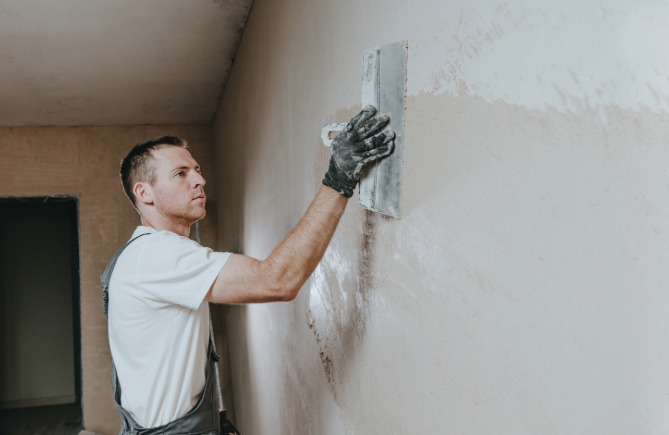
Once you have identified the potential failure points in your plaster, you’ll need a professional diagnostic to prevent structural damage.
The Logic Plastering team eliminates the guesswork by providing a definitive assessment of your property’s condition. As plastering specialists, we don’t just “look” at walls; we analyse the masonry to make sure that any restoration we suggest is an investment in your property’s value, not just a temporary patch.
- Precision Analysis – We carry out a detailed inspection of your walls, using acoustic testing (tapping for voids) and moisture-meter diagnostics to pinpoint the exact boundary of the failure.
- Restoration Recommendations – We present you with the most effective path forward. Whether it’s the case that all your walls require is a high-impact skim coat to keep them looking good, or a deep-rooted removal and replacement with specialist renovating plaster, we will explain clearly what is needed and why.
- Detailed Quote – You’ll receive a comprehensive, no-obligation quote for free. This serves as your project blueprint as it details the materials for the work, labour, and technical stages required to restore your property’s value.
Frequently Asked Questions on Replastering
While the physical signs of plaster failure are clear, you probably have lots of questions about the replastering process. As Bedfordshire’s plastering specialists, we’re including 4 questions we get asked regularly by our Bedfordshire customers.
1. Does replastering increase the actual market value of my home?
Yes. Professional replastering provides the ‘paint-ready’ look that surveyors and buyers value. It also sends a clear signal that the property is well-maintained and free of damp.
2. What is the difference between “skimming” and a full replaster?
Skimming is a cosmetic 2-3mm topcoat applied to sound surfaces. A full replaster involves stripping back to the masonry (the substrate) and rebuilding the layers. We diagnose which is necessary based on whether your wall’s failure is superficial or structural.
3. Can you replaster during the winter months?
Yes, provided the property is weather-tight and the inside temperatures are regulated. We use drying techniques to ensure the plaster sets correctly without cracking, allowing you to maintain your renovation schedule year-round.
4. Can replastering fix internal noise issues?
By using acoustic plasterboard or specialised sound-dampening renders during the replastering process, we can reduce noise transfer between rooms very effectively. This is a recommended upgrade for home offices or terraced properties that are looking to improve their privacy and comfort.
A Professional Standard of Plastering for Your Property
Your walls are the foundation of your home’s health and value. Knowing whether you need a cosmetic skim or a full structural restoration requires an experienced, technical eye. Logic Plastering provides the diagnostic precision needed to address root causes, so you can be sure of a flawless finish that lasts decades.