

Plastering or Skimming? Choosing the Right Wall Finish
If you’re planning a home renovation, you’ve probably heard the terms “plastering” and “skimming” and are wondering which you should use for your wall finish. Each provide smooth walls ready for decorating but how do you choose which is right for your walls? In this blog, we’ll go through the differences between plastering and skimming, so you feel confident in making your decision.
At Logic Plastering, we’ve spent over a decade perfecting the art of wall finishing for our clients in Bedfordshire. That’s why we’re well placed to offer advice based on our experience, on when to use each one to get the best results for your home.
Plastering Interior Walls
Plaster is applied to interior walls in order to achieve a good, long-lasting finish. Once the walls are dry, they are ready to be painted or papered. The work of the plasterer is highly skilled as the creation of a smooth and durable wall requires multiple coats, and different types of plaster are used for specific jobs:
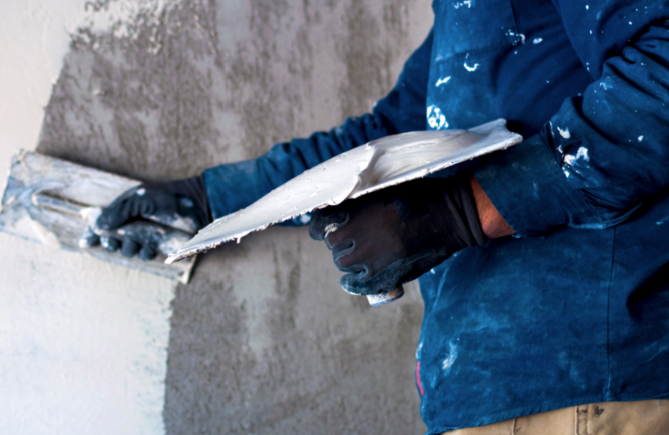
- Cement Plaster – Normally used for the first and second coat, before using a finishing plaster. The surface finish of cement plaster is always slightly rough. It needs around a week to cure before decorating can start.
- Gypsum Plaster – A ready-made plaster that is mixed with water for use. Achieves a smooth surface and dries fast. Not suitable for use in bathrooms, basements, or kitchens as it’s not moisture resistant.
- Lime Plaster – This is known as a breathable plaster as it draws moisture out of the environment and allows it to escape and evaporate. Lime achieves a smooth, durable finish and is an excellent thermal insulator, but it is slow to cure.
Achieving a professional plastering finish comes from years of experience and a delicate touch. Attempting it yourself tends to result in uneven surfaces. If you plan to plaster your walls you need a professional for the job.

Skimming Interior Walls
The technique of skimming involves the application of a thin coat of plaster to create a smooth surface for painting or papering. It is normally applied to achieve a cosmetic finish, making walls paint or paper ready. The skim layer may be applied to a repaired plaster wall in order to finish it. Alternatively, skimming is used when dry lining plasterboard has been installed, to provide a perfect paint-ready surface.
It should be said that a good, skimmed finish is difficult to achieve; it is always best left to a professional who has years of experience as a plasterer. The skill isn’t required in getting the plaster onto the wall or ceiling, it’s in the smoothing of the skim plaster to achieve a flat, perfect surface.
Anyone attempting this skimming as a DIY task should practice the technique on a piece of plasterboard first. The main problem is with spreading and smoothing the plaster before it goes hard. If you get your timing wrong, you can end up with a lumpy mess which will have to be redone from scratch.
What Are The Differences Between Plastering and Skimming?
The finished look of your walls is, of course, important, but the process of getting there is also a consideration when choosing between plastering and skimming. Here are the practical differences:
1. Preparation
- Plastering – Thorough preparation is required, often including removing existing plaster, assessing the substrate, applying bonding agents, and there may be a need to install metal or wood laths to create a solid base.
- Skimming – Usually involves less preparation, mainly focused on thoroughly cleaning the surface to make sure there’s no loose material or imperfections.
2. Disruption
- Plastering – This can be quite disruptive because of the detailed nature of the work. You should expect mess, and dust during the plastering process.
- Skimming – Generally less disruptive, with less mess and a quicker cleanup process.
3. Time
- Plastering – Applying plaster takes much longer than skimming and waiting for the layers to dry can add several days to the project.
- Skimming – This is a much quicker process. The application is faster, and the drying time is significantly shorter.
4. Cost
- Plastering – Expect to pay more because of the materials, skills and time involved. The result, though, is a durable and long-lasting wall finish.
- Skimming – A more affordable prospect, making it a budget-friendly option for cosmetic improvements to your wall finish.
Your Plastering & Skimming Questions Answered
We hope that you find our blog helpful in its explanation of the main differences between plastering and skimming, but you probably have some specific questions about your own project. Here, we answer some question we hear regularly from our customers across Bedfordshire.
1. I’ve had plasterboard installed. Does this need to be plastered or skimmed?
New plasterboard (or dry lining) doesn’t need a multi-coat plastering process, but it will benefit from skimming. This is a thin, finishing coat of plaster over the boards and jointing tape which gives you seamless, smooth surface that is what you need for painting or wallpapering.
2. My walls are old, and they have a few hairline cracks. Do I need to get them replastered?
Not if the existing plaster is generally in good condition (i.e., not crumbling or “blown”). The Logic team can usually repair the cracked areas. Once we’ve dealt with the cracks, we can apply a skim coat over the entire wall to create a fresh, paint-ready finish for you.
3. Is skimming ok for covering textured walls, like Artex?
Yes, skimming is a good way to get rid of textured finishes. The process typically involves preparing the surface and then applying a bonding agent. Then we apply one or two coats of skim plaster over the top to create a smooth, flat finish.
4. What’s the difference between skimming and using a filler?
Fillers are used on minor imperfections, like small nail holes or fine cracks. Skimming is used to cover an entire wall or ceiling with a thin coat of plaster. You skim a whole surface to make it uniformly flat, cover over repairs, or prepare plasterboard for decoration.
Working With Logic Plastering
Your walls deserve the best, and that’s what the Logic Plastering team always aims to deliver. Our professional plasterers provide excellent customer service and can guarantee flawless wall finishes, whether you need full plastering or a smooth skim coat.
If you have an interior wall that needs plastering, we’ll be happy to give you a free no obligation quote on the work, and if you’re uncertain whether it should be plastered or skimmed, we can offer guidance.
Need expert advice on plastering in Bedfordshire? Contact us today for a free, no-obligation quote. We’ll answer your questions and help you make the right choice for your home – 07809 228328